
Sudan’s Soaring Fuel Prices Make Getting By Harder for Workers
Across urban centers and regional hubs in Sudan, soaring fuel prices are worsening an already acute economic crisis, leaving millions of everyday workers struggling to afford basic transportation and daily meals. With diesel and petrol costs reaching record highs amid ongoing conflict, the price spikes are quickly eroding wages and pushing vulnerable households into deeper financial distress.
For commuters, public transport fares have doubled or tripled in several states over recent weeks. Minibus operators and taxi drivers report that fuel shortages and soaring black-market rates have left them with no choice but to pass mounting expenses onto passengers.
Also read: Why Falling Oil Prices Won’t Lower Airfare Prices Anytime Soon
How Sudan’s Soaring Fuel Prices Squeeze Daily Commuters
Civil servants, healthcare workers, and informal sector laborers are bearing the brunt of the hikes. In cities like Port Sudan, Wad Madani, and Gedaref, many workers earn fixed monthly salaries that have lost most of their purchasing power due to rapid currency depreciation.
“Nearly half of my daily wage now goes entirely toward transit,” said Ahmed El-Hassan, an administrative clerk in Port Sudan. “If I take two buses to reach the office, I have barely anything left for groceries or medicine. Many colleagues have simply stopped commuting daily because coming to work costs more than staying home.”
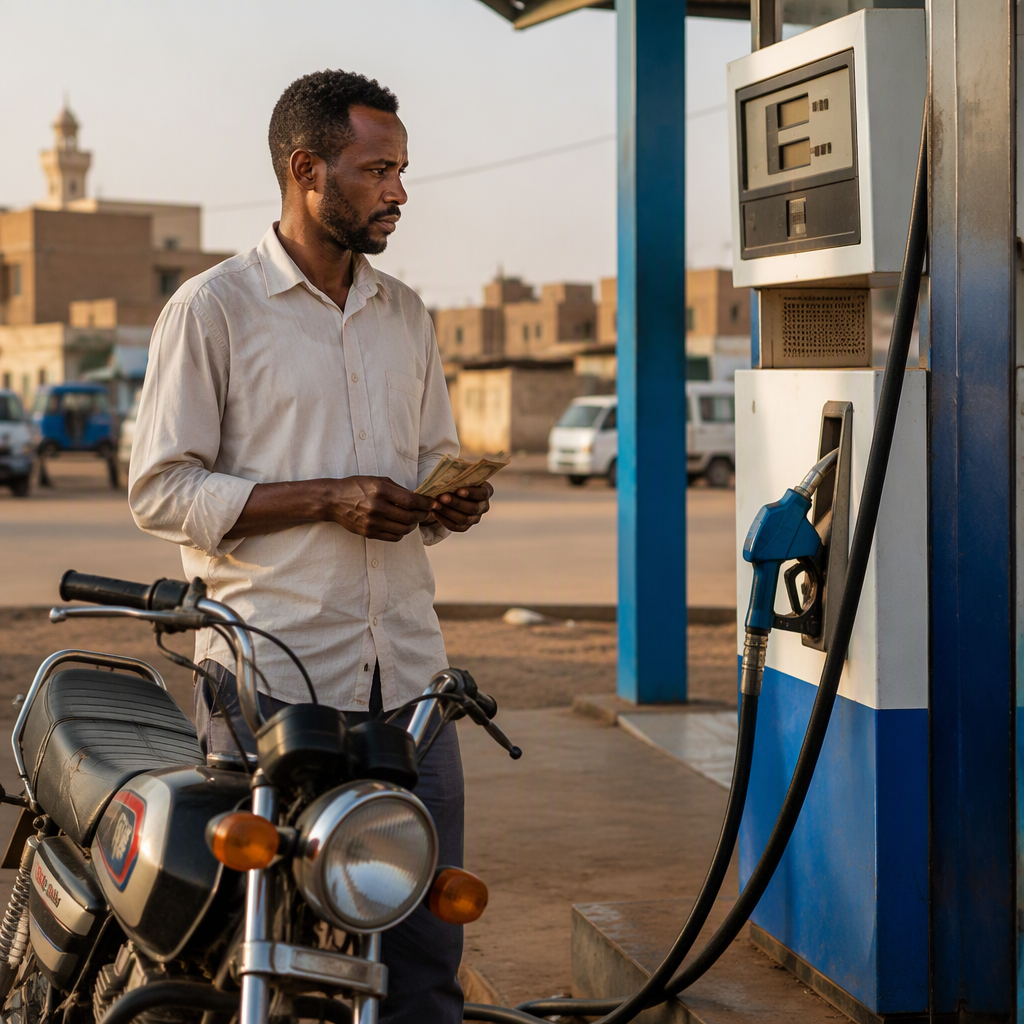
Private transport owners face their own set of challenges. Fuel queues stretch for blocks around operational filling stations, forcing drivers to wait for hours or purchase fuel at inflated rates from illicit distributors.
Surging Logistics Costs Drive Up Food Prices
The impact of expensive fuel extends far beyond the morning commute. In an economy heavily dependent on road transport to distribute grain, vegetables, and imported goods, freight charges have surged nationwide.
Traders and market vendors in local souks say wholesale deliveries have grown prohibitively expensive. In turn, basic staples like bread, cooking oil, and lentils have seen sharp price increases, creating an immediate food security crisis for urban populations with dwindling cash reserves.
Small business owners also report higher operating overheads. With recurring power grid failures across many provinces, commercial enterprises rely on diesel-powered generators to maintain refrigeration and lighting, adding heavy fuel bills to routine operating expenses.
Supply Disruptions and Conflict Fuel the Deficit
The root of the shortage lies in the disruption of vital energy infrastructure and logistical corridors. Since fighting erupted in April 2023 between the Sudanese Armed Forces (SAF) and the Rapid Support Forces (RSF), refineries, pipelines, and storage depots have suffered severe damage or operational shutdowns.
Imported shipments arriving via the Red Sea face clearance delays, foreign currency shortages, and hazardous transit routes through active battle zones. Insurance premiums for regional cargo transit have also spiked, increasing the landing cost of refined petroleum products before they even hit filling pumps.
What Happens Next
Without targeted state subsidies or safe logistical passage for commercial freight, economists warn that transport costs will keep climbing. The ongoing depreciation of the Sudanese pound against the US dollar further threatens to drive international fuel import costs even higher in the coming months.
Aid agencies caution that unless international humanitarian corridors open up and critical supply chains stabilize, the economic fallout will displace more families into severe poverty. For now, coping with Sudan’s soaring fuel prices remains a daily battle of survival for millions of workers fighting to keep their livelihoods intact.