
Thousands Rally in New Delhi to Demand India’s Election Chief Resign
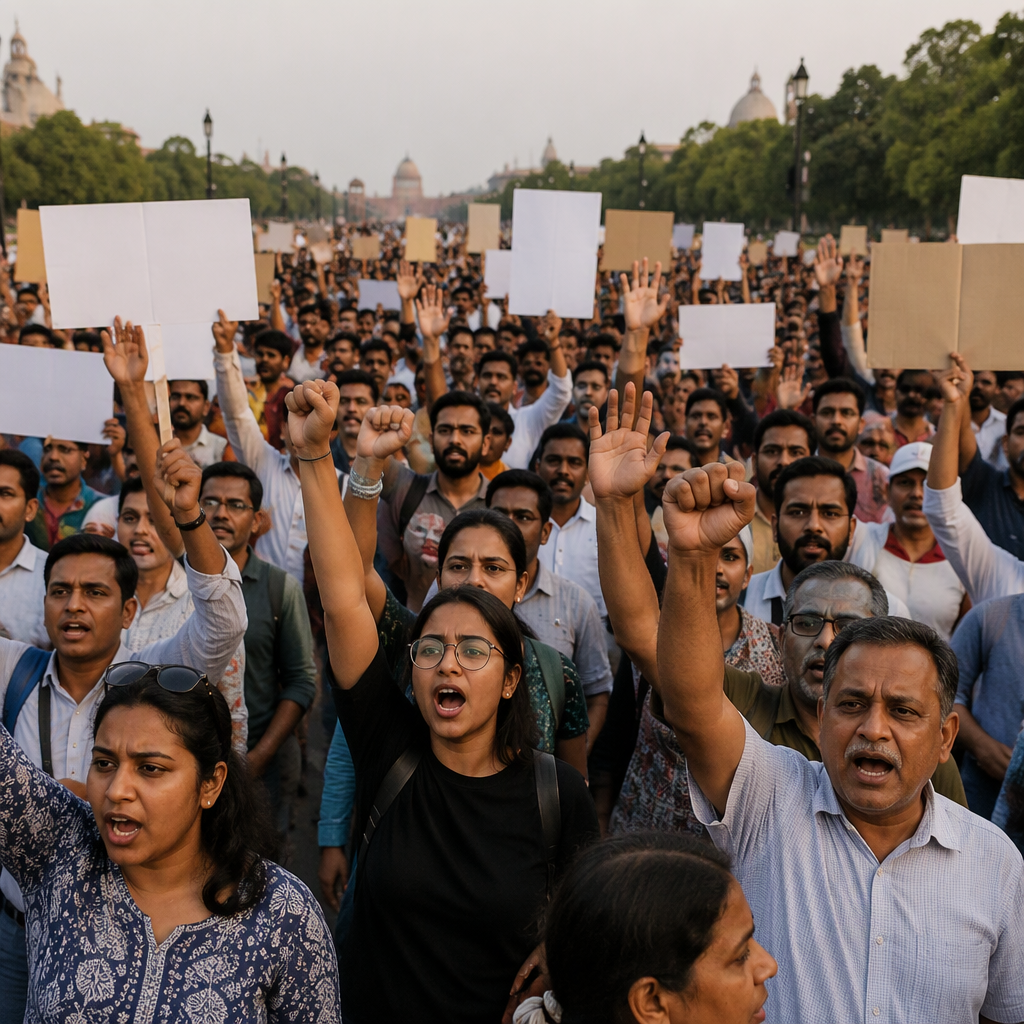
NEW DELHI — Thousands of demonstrators gathered in the national capital on Saturday to demand India’s election chief resign, escalating public and political pressure over allegations of bias and institutional compromise within the country’s primary voting authority.
The large-scale demonstration drew members of various opposition parties, civil society organizations, legal experts, and student groups. Assembling at central protest grounds amid heavy police deployment, participants waved national flags and held banners questioning the impartiality of the Election Commission of India (ECI).
Also read: Why India Soured on Trump Ahead of US Midterms: Trade, Visas, and Strategic Realities
Growing Protests Over Electoral Integrity
Public dissatisfaction has mounted following recent state and national electoral cycles. Opposition leaders and democracy watchdogs accuse the election authority of ignoring critical violations while acting aggressively against government critics.
Speakers at the New Delhi rally addressed the crowd from makeshift stages, claiming that public confidence in democratic institutions has dropped to an unprecedented low. Chants called directly for the resignation of the Chief Election Commissioner (CEC), whom critics accuse of undermining the autonomy guaranteed by the Constitution of India.
Security forces cordoned off nearby arterial roads leading toward administrative corridors. While authorities detained several youth activists attempting to march past designated protest perimeters, the rally remained largely peaceful.
Why Demonstrators Demand India’s Election Chief Resign
Protesters outlined several core grievances during the demonstration, centering on how elections are monitored and executed across the world’s most populous nation:
- Selective Enforcement of Rules: Critics allege that the commission applies the Model Code of Conduct unevenly, frequently penalizing opposition figures while overlooking divisive rhetoric from senior ruling party figures.
- Voting Technology Scrutiny: Skepticism persists regarding Electronic Voting Machines (EVMs) and Voter Verifiable Paper Audit Trail (VVPAT) verifications, despite judicial clearances and technical assurances.
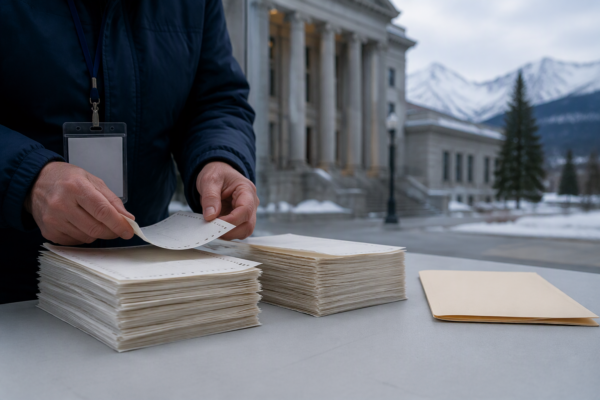
- Electoral Roll Discrepancies: Community advocates highlighted reports of arbitrary voter deletions and voter roll manipulation in sensitive constituencies.
- Commission Appointment Process: Recent legislative amendments altering the selection panel for election commissioners—removing the Chief Justice of India from the committee—have drawn sharp criticism from legal scholars.
“An independent election commission is the bedrock of our republic,” said one opposition lawmaker addressing the gathering. “When that independence comes into question, citizens have a constitutional right to hold leadership accountable.”
Official Response from Authorities
The Election Commission of India has repeatedly rejected claims of political favoritism, defending its track record as transparent, non-partisan, and constitutionally sound. Officials maintain that voting procedures undergo rigorous checks with polling agents from all registered political parties present.
Spokespersons for the ruling Bharatiya Janata Party (BJP) dismissed the rally as a politically motivated spectacle driven by parties unable to accept repeated defeats at the ballot box. Government officials pointed out that the election machinery operates independently and that legal mechanisms exist within the courts to challenge any specific irregularities.
What Happens Next
Opposition coalitions have announced plans to raise the issue in upcoming parliamentary sessions, seeking legislative debates on institutional appointments and electoral transparency.
Legal challenges regarding the appointment procedure of election commissioners also remain active in the Supreme Court of India. Activists indicated they will coordinate state-level demonstrations in the coming weeks to sustain momentum across regional capitals.
Conclusion
The New Delhi demonstration highlights deepening friction over democratic governance and administrative independence in India. While the government and election authorities defend existing systems, persistent calls to demand India’s election chief resign signal that electoral reform and transparency will remain contentious flashpoints heading into future voting cycles.