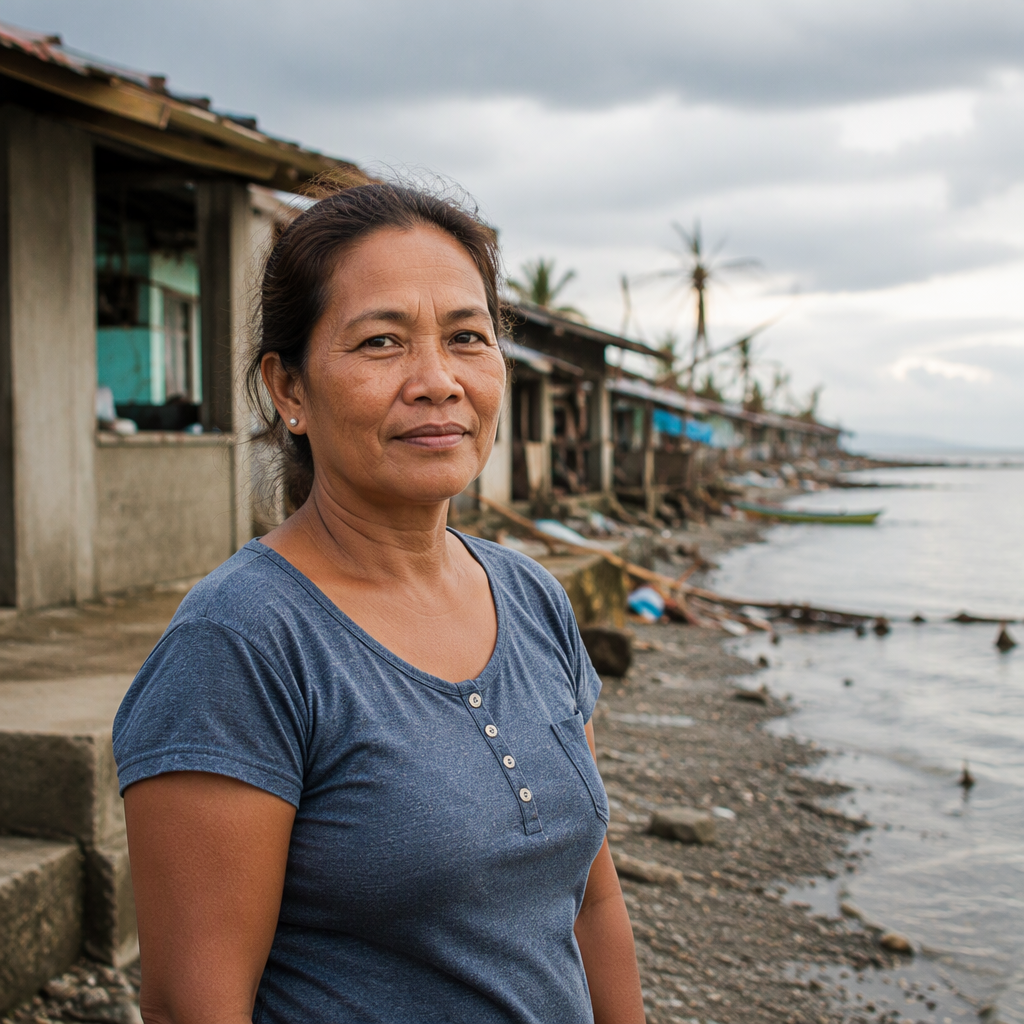

‘I Survived Typhoon Haiyan’: Lessons in Resilience After One of History’s Deadliest Storms
When Super Typhoon Haiyan slammed into the central Philippines on November 8, 2013, it unleashed catastrophic winds exceeding 315 kilometers per hour and storm surges higher than five meters. More than 6,300 people lost their lives, and millions were displaced across the Eastern Visayas. More than a decade later, the words of those who survived Typhoon Haiyan continue to echo as a stark testament to human endurance, loss, and the urgent imperative of global disaster preparedness.
The Morning the Sea Swallowed the Land
Known locally as Super Typhoon Yolanda, Haiyan made its initial landfall in Guiuan, Eastern Samar, before battering Tacloban City and neighboring coastal settlements in Leyte. Residents had prepared for strong winds and heavy rainfall, but few were prepared for the tsunami-like storm surges that swept through city streets within minutes.
Also read: Flood Threat Targets the Plains to Wrap Up the Weekend After Southwest Deluge
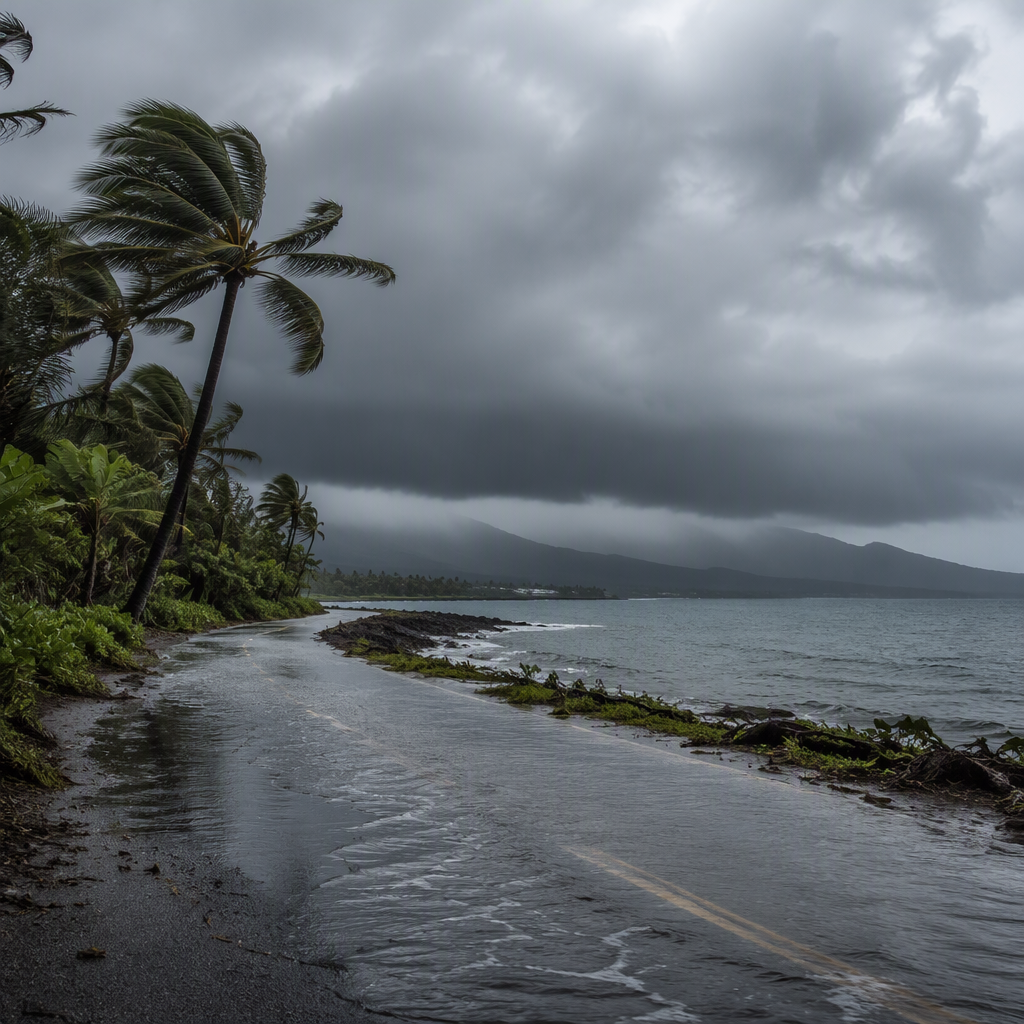
Survivors recall scrambling onto rafters, clinging to coconut palms, or floating on debris as murky waters tore through reinforced concrete buildings. Entire neighborhoods vanished beneath the surge, stranding thousands without clean drinking water, food, power, or communication for days.
The tragedy exposed acute vulnerabilities in coastal urban planning and communication. Many residents did not fully understand the technical phrase “storm surge,” assuming that moving indoors to traditional evacuation centers would be enough to guarantee safety.
Voices of Hope: How Communities Survived Typhoon Haiyan and Rebuilt
In the aftermath of the devastation, international humanitarian aid poured into Tacloban, Guiuan, and surrounding islands. Yet the bedrock of the recovery was the local community’s spirit of bayanihan—a traditional Filipino ethos of communal unity and cooperation.
Local fishermen constructed makeshift boats from salvaged timber, while community health workers and teachers established makeshift clinics and open-air classrooms under tarpaulins. Thousands who survived Typhoon Haiyan banded together to locate missing neighbors, clear wreckage, and begin the slow process of rebuilding their devastated hometowns.
Long-term recovery efforts eventually relocated tens of thousands of families living in high-risk coastal “no-build zones” into permanent housing developments situated farther inland. While challenges regarding infrastructure access and livelihoods persisted, these new communities marked a decisive shift toward risk reduction.
Transforming Disaster Risk Reduction and Early Warnings
The unprecedented destruction wrought by Haiyan prompted significant reforms in meteorological forecasting and civil defense protocols across the Philippines and Southeast Asia.
- Simplified Weather Terminology: Forecasters revised public advisories, replacing complex technical language with clear, localized warnings and visual storm surge simulations.
- Preemptive Evacuations: National and local disaster agencies shifted policies toward mandatory early evacuations before major storms reach coastline perimeters.
- Mangrove and Coastal Defense Restoration: Environmental agencies and local governments replanted hundreds of hectares of coastal mangrove forests, creating natural barriers against future wave surges.
What Happens Next
As ocean temperatures rise and tropical cyclones become increasingly unpredictable, climate scientists warn that coastal communities worldwide face growing hazards from severe weather events. The lessons drawn from Leyte and Samar now serve as practical case studies for climate adaptation strategies presented at international climate summits.
In Tacloban and across Eastern Visayas, annual memorials honor those lost while emphasizing ongoing investments in resilient infrastructure, psychological support services, and community-led climate initiatives.
Conclusion
The survival stories from November 2013 are not merely records of a singular disaster; they are critical guides for an era of intensifying extreme weather. Those who survived Typhoon Haiyan continue to remind the world that true disaster resilience requires timely warnings, decisive early action, and an unshakeable commitment to protecting vulnerable communities.