
‘Super Offensive’: How AI Visible Differences Bias Sparks Backlash Over Digital ‘Fixes’
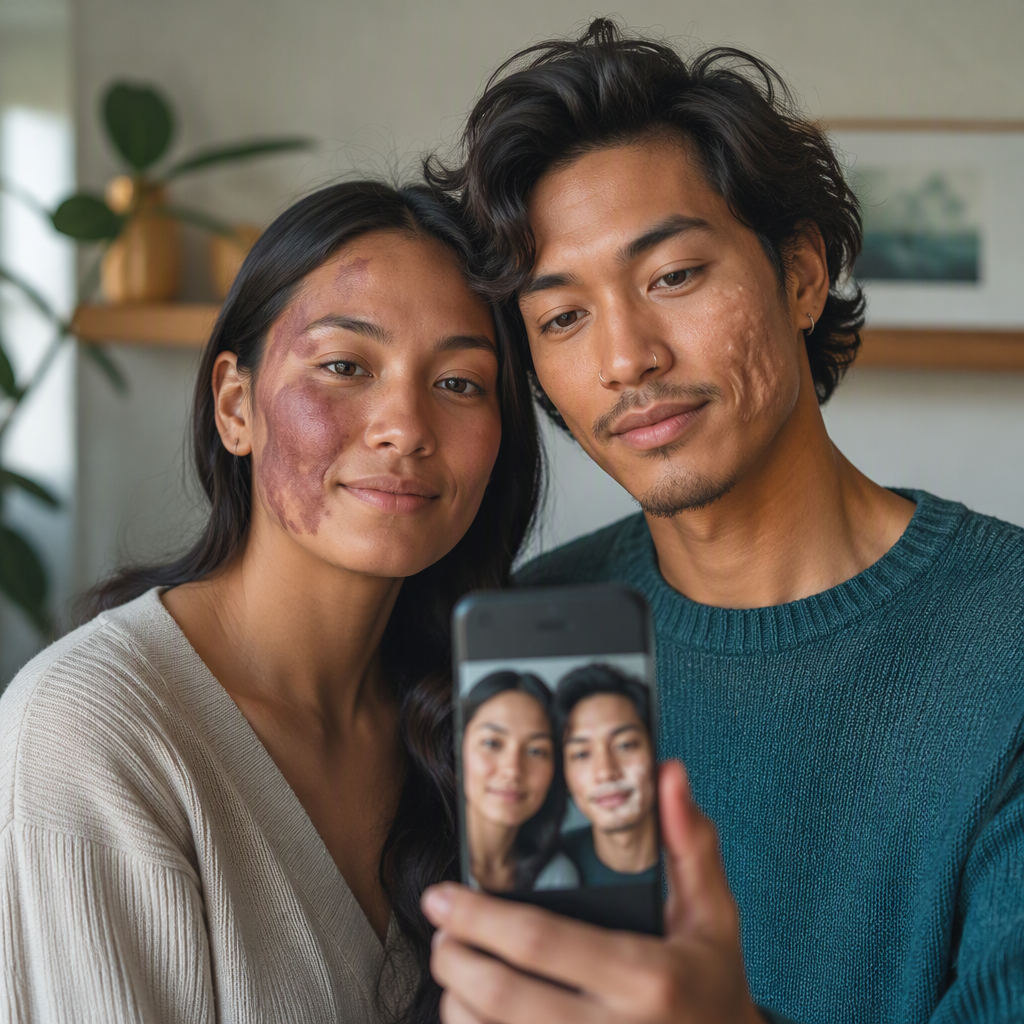
For millions of people worldwide who live with scars, birthmarks, craniofacial conditions, or alopecia, achieving self-acceptance is a journey marked by resilience. However, the rapid proliferation of generative image generators and portrait filters has introduced an unexpected setback. Increasing numbers of users and advocates are sounding the alarm over how generative tools handle AI visible differences, calling automated enhancements that erase or “normalize” their features insensitive and super offensive.
When users upload portraits to popular generative avatar makers, professional headshot generators, or automated retouching apps, they frequently expect creative stylized interpretations. Instead, algorithms often smooth away cleft scars, remove port-wine stains, redraw asymmetrical features, or replace distinctive attributes with generic, airbrushed faces.
Also read: The Ghosts Haunting AI Storytelling: How Data, Bias, and Copyright Echo in Generative Fiction
Erasing Identity Under the Guise of Enhancement
The controversy gained traction as individuals shared side-by-side comparisons of their original photographs alongside AI-generated outputs. In case after case, models trained on conventional aesthetic metrics automatically stripped away defining physical traits.
Individuals who have spent years embracing their appearance describe the experience as demoralizing. For many, having a computer program determine that their natural face is a “defect” requiring correction reinforces harmful societal stigmas that visible difference charities have fought for decades to dismantle.
“We love how we look, but the technology essentially tells us our faces are broken,” noted one campaigner who tested multiple profile-generation tools. Rather than reflecting individuality, the output reflects a narrow, standardized blueprint of beauty.
The Root Cause Behind AI Visible Differences Erasure
Digital rights researchers and computer scientists point out that this problem is structural rather than accidental. Generative artificial intelligence relies on massive training datasets scraped from the internet, which heavily skew toward conventional, airbrushed commercial imagery and Western beauty norms.
Because generative diffusion models and generative adversarial networks (GANs) operate by predicting statistical likelihoods, they tend to treat unusual facial features as statistical noise or image flaws. The algorithm attempts to minimize what it perceives as an error, effectively smoothing over facial disfigurements, hyperpigmentation, or structural variations.
Advocacy groups such as the UK-based charity Changing Faces have long warned about algorithmic erasure. When datasets lack sufficient representation of individuals with disabilities and visible conditions, machine learning systems inherently replicate and amplify real-world exclusion.
Psychological Toll on Users and Young People
The unchecked normalization of digital aesthetics carries consequences that reach far beyond casual photo apps. Today, synthetic media powers everything from corporate recruitment profiles and passport photo pre-screeners to social media avatars and virtual reality spaces.
Mental health experts emphasize that unintended algorithmic edits can trigger body dysmorphia and undermine confidence, particularly among adolescents and young adults. When an algorithm consistently suggests that an individual looks “better” without their distinguishing features, it subtly communicates that differences should be hidden.
Demands for Accountability and Inclusive Datasets
In response to mounting public scrutiny, campaigners and affected communities are demanding concrete changes from leading technology companies and software developers. Key recommendations include:
- Dataset Diversification: Actively auditing and expanding training data to include authentic representations of diverse skin types, conditions, and craniofacial structures.
- Granular User Controls: Allowing users to disable automatic “blemish correction” or skin-smoothing features before rendering avatars or headshots.
- Ethical Safety Guardrails: Implementing prompt comprehension tests to ensure algorithms do not equate visible differences with low quality or errors.
While some technology companies have pledged to improve demographic representation across race and gender, campaigners note that visible differences remain an overlooked category within responsible AI frameworks.
What Happens Next
Digital ethics advocates are currently lobbying standards organizations and regulatory bodies to classify visible difference representation as a fundamental accessibility requirement. As generative AI becomes integrated into mainstream productivity suites and social platforms, pressure is growing on tech giants to test algorithms with diverse user groups before public deployment.
Until developers actively address AI visible differences bias, users who celebrate their unique appearances will continue to push back against synthetic standards that equate uniqueness with imperfection.