
French Supermarkets Face Millions in Losses After Cyberattack Hits Refrigerators Nationwide
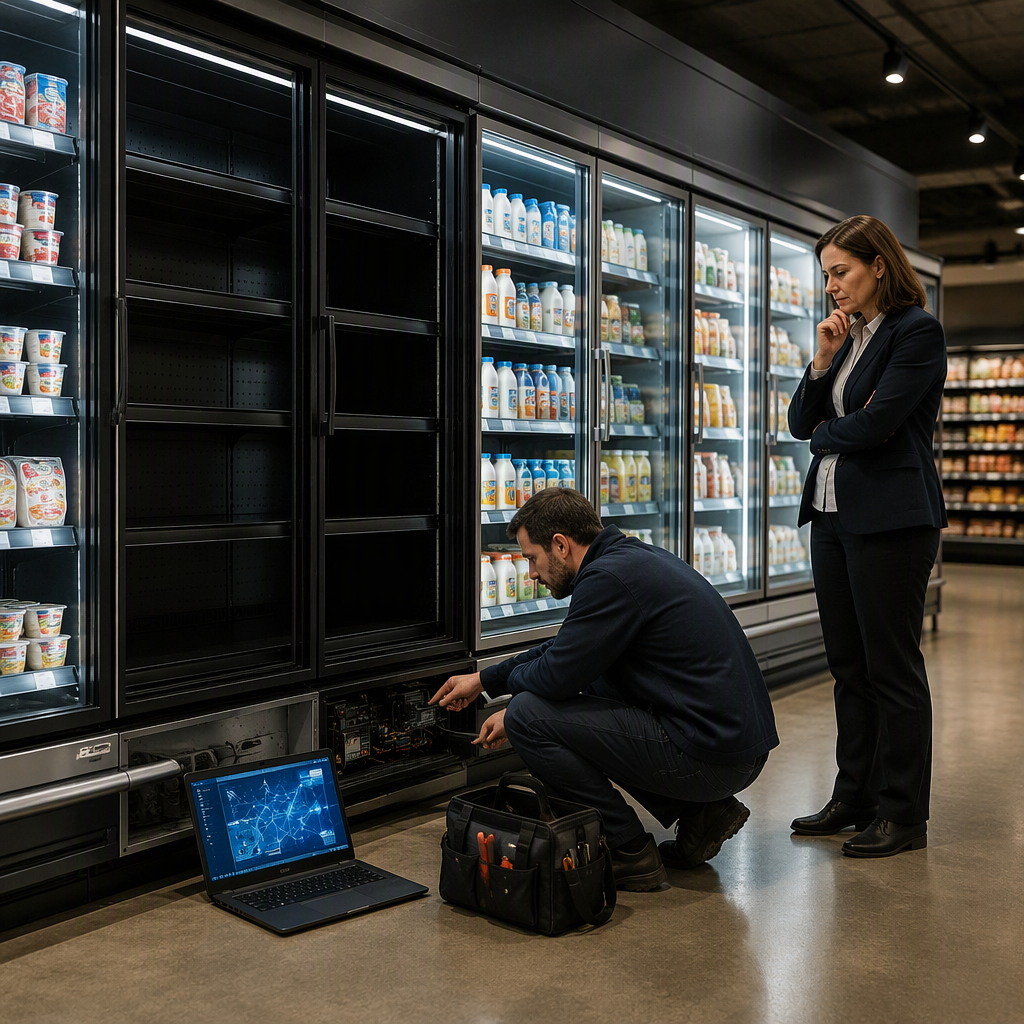
Supermarket chains across France are grappling with devastating operational fallout and mounting financial damages after a coordinated cyberattack hits refrigerators nationwide. The unprecedented disruption targeted centralized climate-control and refrigeration management systems, forcing multiple grocery retailers to discard tons of spoiled food and shutter fresh-produce aisles.
Industry analysts estimate that immediate losses have already climbed into tens of millions of euros. Beyond the sheer value of discarded perishable goods—including dairy, fresh meats, prepared foods, and frozen products—retailers are facing significant logistical expenses, emergency IT remediation costs, and lost revenue during peak shopping hours.
Also read: Israel Election Turnout Hits 77.7%, Highest Level Since 1999
How the Cyberattack Hits Refrigerators Across Retail Chains
The incident targeted networked industrial control systems (ICS) and Internet of Things (IoT) sensors that govern commercial cooling infrastructure. Modern supermarkets rely on centralized building management systems (BMS) to regulate temperature thresholds, monitor energy efficiency, and automate defrost cycles across hundreds of store locations.
According to preliminary technical reports, threat actors breached remote access gateways connected to commercial cooling networks. Once inside, the attackers altered digital thermostat parameters, turning off cooling cycles or setting temperatures well above food-safety thresholds overnight. Because the intrusion silenced automated warning alerts, staff only discovered the catastrophic temperature spikes upon opening stores the following morning.
Health and food-safety regulations strictly prohibit the sale of temperature-compromised goods. As a result, store managers had no legal or practical choice but to dispose of entire refrigerated inventories to safeguard consumer health.
Widespread Impact on the French Retail Sector
The assault struck retail locations across several French regions, hitting both sprawling hypermarkets and local urban express outlets. Major retail consortiums scrambled emergency logistics fleets to haul spoiled inventory to waste management facilities and coordinate bio-secure disposal.
Key areas of financial and operational impact include:
- Direct inventory write-offs: Total loss of cold-chain stock across dairy, meat, seafood, and frozen goods.
- Secondary business interruption: Partial or full store closures while technicians manually recalibrated systems.
- Supply chain bottlenecks: Sudden surge in replacement demand straining regional food distributors and suppliers.
- Specialized cleanup operations: Intensive sanitization protocols required before restocking empty display units.
The Vulnerability of Operational Technology in Retail
Cybersecurity specialists note that this breach exposes a critical vulnerability in modern retail infrastructure: the convergence of corporate IT and operational technology (OT). While corporate payment networks and customer databases traditionally receive the highest security priority, facility management devices frequently run on outdated firmware with weak authentication barriers.
Third-party maintenance vendors often manage cooling networks remotely, creating an external vector that attackers can exploit. When perimeter defenses fail, adversaries can manipulate physical environments without deploying traditional data-stealing ransomware.
Government and Law Enforcement Response
France’s National Cybersecurity Agency (ANSSI) has opened an investigation alongside specialized cybercrime divisions of the national police. Forensic teams are actively analyzing network traffic logs to determine whether the attack stemmed from a state-sponsored group, an extortion ring, or hacktivists aiming to cause economic destabilization.
While some chains received ransom demands threatening further disruption to ambient systems, authorities have urged retail operators not to negotiate with cybercriminals. Investigators are currently working to isolate compromised communication nodes and provide emergency technical guidance across the national retail sector.
What Happens Next
In the coming days, affected retailers will concentrate on restoring verified safe cold chains and replenishing empty shelves. Industry groups are meeting with government officials to assess the full financial toll and discuss temporary disaster relief or insurance coverage mechanisms.
Moving forward, retail chains across Europe are expected to overhaul OT security architectures. Experts anticipate mandatory two-factor authentication for facility management portals, stricter vendor access audits, and offline fail-safes designed to prevent centralized software overrides from tampering with physical cooling units.
Conclusion
The nationwide disruption represents a stark turning point for grocery infrastructure. As this destructive event where a cyberattack hits refrigerators demonstrates, operational technology is now on the front lines of corporate cybersecurity. French supermarkets must now absorb massive immediate losses while rebuilding consumer trust and hardening physical retail systems against future digital sabotage.