
Grocery Boss Warns Mamdani’s City-Run Stores Pit Government Against ‘Its Own Citizens’
A prominent supermarket executive has issued a sharp warning against New York mayoral candidate Zohran Mamdani’s proposal to establish city-run grocery stores, cautioning that using municipal resources to compete with private retailers effectively pits the government against its own citizens.
The pushback highlights growing tensions between private retail operators and progressive policymakers who advocate for public options to address food insecurity and rising inflation across New York City neighborhoods.
Also read: Zohran Mamdani ICE Video Sparks Backlash Over Guidance on Immigration Enforcement
Industry Backlash Over Municipal Grocery Proposal
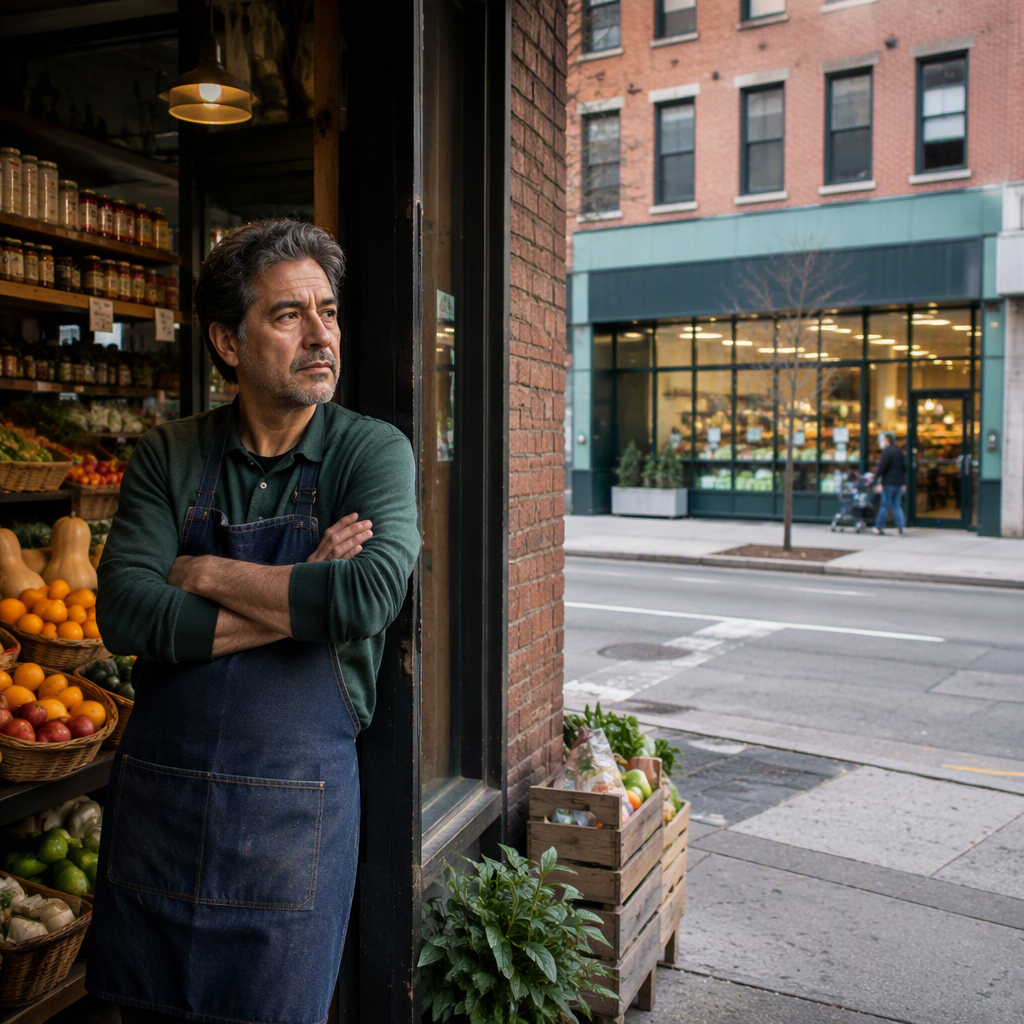
Grocery industry leaders argue that introducing public, state-subsidized retail locations threatens an industry already operating on razor-thin profit margins, typically hovering between 1% and 2%. According to industry critics, using taxpayer revenue to underwrite city-operated supermarkets creates an unlevel playing field that risks driving independent neighborhood grocers out of business.
Supermarket operators emphasize that local grocery stores not only supply fresh food to diverse communities but also employ thousands of union and non-union workers, generate vital tax revenue, and maintain complex supply chains. By establishing competing municipal stores, industry leaders warn, city hall would penalize commercial business owners who have invested private capital in local neighborhoods for decades.
“Government should support local businesses and help lower operating costs, not enter the retail market to compete directly with tax-paying merchants,” several industry advocates noted during recent policy discussions surrounding the 2025 mayoral race.
What Mamdani’s City-Run Grocery Stores Plan Entails
State Assemblymember Zohran Mamdani, who launched a progressive bid for mayor of New York City, made municipal grocery stores a central pillar of his affordability platform. Mamdani contends that city-run grocery stores could sell essential food items at cost or near-cost prices by eliminating shareholder profits and executive compensation.
Under the proposal, municipal storefronts would target underserved neighborhoods classified as food deserts, where residents often face high prices at regional chains or rely on bodegas with limited fresh produce selections. Proponents argue that treating food access as public infrastructure could relieve mounting financial pressure on working-class households struggling with elevated food inflation.
Mamdani’s platform aligns with broader calls from progressive lawmakers across the country who view public utilities, public banking, and municipal retail models as viable alternatives to corporate food systems.
Economic Feasibility and Operational Challenges
While the concept of municipal food retail appeals to affordability advocates, retail analysts and policy experts point out significant operational hurdles. Running a modern supermarket network requires specialized logistics, cold-chain distribution, supplier negotiations, shrinkage control, and inventory management—areas in which municipal agencies traditionally lack operational expertise.
Similar proposals have surfaced in other major metropolitan areas, including Chicago, where municipal feasibility studies evaluated whether city-backed stores could successfully bridge urban food gaps. However, fiscal watchdogs routinely warn that public retail ventures often require ongoing operational subsidies to stay solvent, potentially creating an open-ended financial burden for city taxpayers.
Critics also note that high commercial rents, utility costs, supply-chain bottlenecks, and retail theft are the primary drivers of elevated food prices in New York City, none of which disappear under municipal management.
What Happens Next
As the New York City mayoral primary approaches, affordability and the cost of living remain top priorities for voters. Business coalitions and independent supermarket associations are expected to press mayoral contenders on their retail policies, calling for targeted assistance—such as property tax relief, utility rebates, and reduced regulatory burdens—rather than direct government market entry.
Mamdani’s campaign is anticipated to continue framing city-run grocery stores as a direct solution to corporate price gouging, setting up a sustained ideological debate over the municipal government’s role in the city’s private economy.