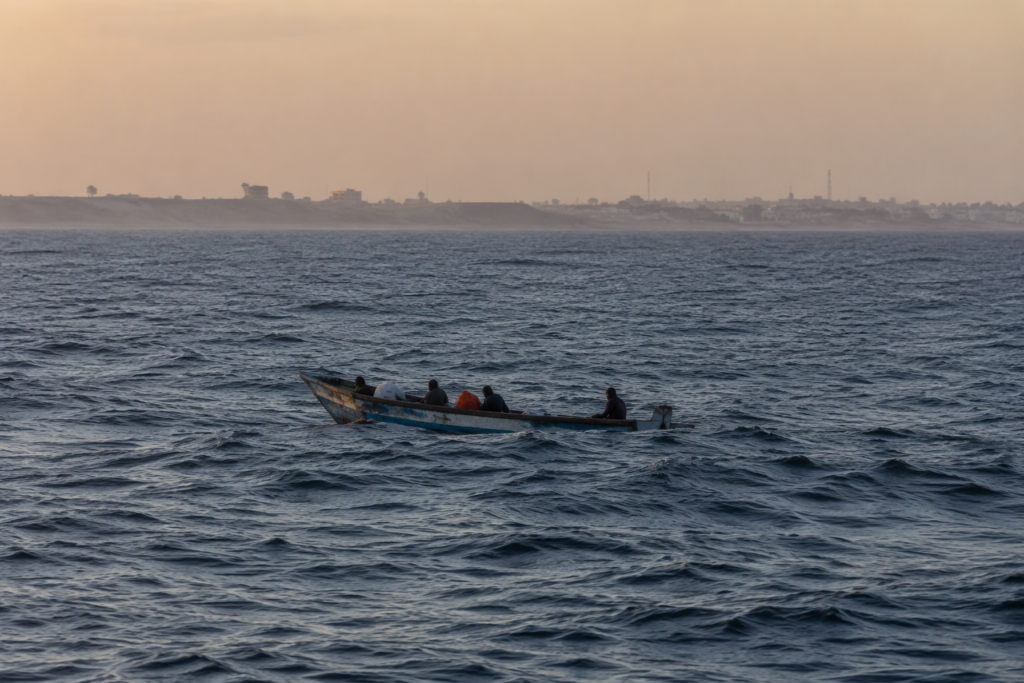

At least 34 people have died after a Europe-bound migrant boat sinks off Senegal, highlighting the persistent perils faced by people attempting the dangerous sea crossing toward European territory.
The vessel was carrying individuals hoping to reach Spain’s Canary Islands before it encountered severe distress off the Senegalese coast, resulting in dozens of confirmed fatalities.
Also read: One Dead in Indonesia Helicopter Crash During Firefighting Mission
Devastating Incident as Migrant Boat Sinks Off Senegal
The tragedy off the coast of West Africa marks another grim development along one of the world’s most perilous maritime migration corridors. Emergency responders and maritime authorities frequently confront fatal shipwrecks involving overcrowded and unseaworthy vessels attempting long-distance ocean voyages.
With at least 34 confirmed dead, this disaster underscores the severe human cost associated with irregular journeys originating along the West African shoreline.
The Perils of the Atlantic Route to the Canary Islands
The Atlantic crossing to Spain’s Canary Islands remains exceptionally dangerous for migrants seeking a better life in Europe. Powerful open-ocean currents, sudden weather shifts, and vast distances create treacherous conditions even for experienced mariners.
Despite these known hazards, thousands of people continue to board open boats lacking sufficient navigation equipment, safety gear, or life-sustaining provisions to make the grueling ocean passage.
Growing Concerns Over Perilous Sea Journeys
Disasters along this corridor routinely highlight the desperate pressures compelling individuals to undertake such journeys. Economic difficulties, lack of opportunity, and instability in origin communities drive many to attempt the Atlantic crossing despite the life-threatening risks.
The loss of dozens of lives off Senegal serves as a solemn reminder of the ongoing crisis at sea and the urgent challenges facing regional and international authorities in preventing further loss of life.
Source: BBC