
The Return of New Orleans’ Deadly Cocktail: How the Absinthe Frappé Rose Again
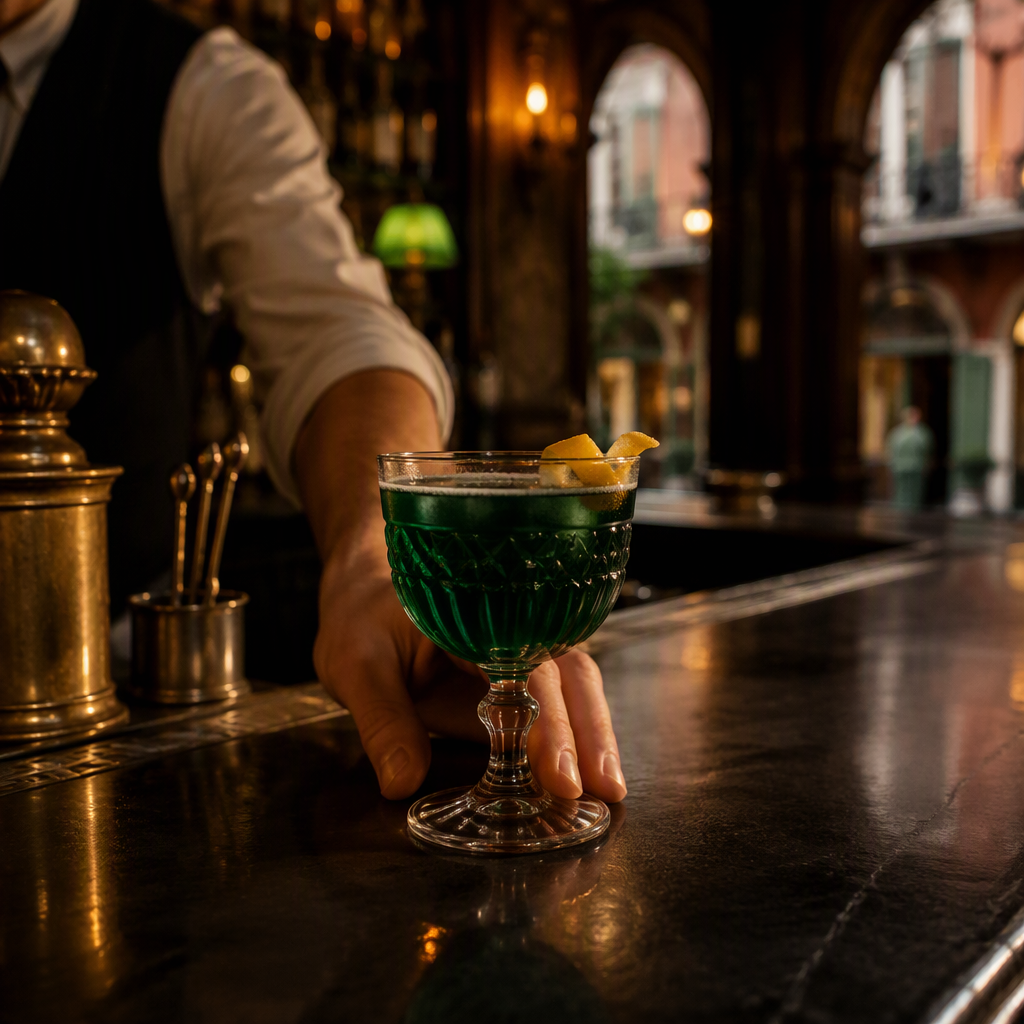
In the dimly lit watering holes and upscale cocktail dens of the French Quarter, a once-forbidden concoction has reclaimed its historic throne. Long vilified as a hallucinogenic elixir that drove drinkers to madness, the legendary New Orleans deadly cocktail—the Absinthe Frappé—is enjoying a striking revival across the Crescent City’s vibrant bar scene.
Modern mixologists are dusting off vintage glassware, replenishing specialized drip fountains, and introducing a new generation to a drink that authorities spent nearly a century trying to erase from memory.
Also read: The First Doomed Attempts to Reach the North Pole: How Early Arctic Expeditions Ended in Tragedy
The Dark History of the ‘New Orleans Deadly Cocktail’
The story of New Orleans’ infamous drink began in 1874 at Aleix’s Coffee House on Bourbon Street, later renamed the Old Absinthe House. Bartender Cayetano Ferrer pioneered the Absinthe Frappé by combining high-proof green absinthe with anisette, simple syrup, crushed ice, and a splash of soda water. The chilled, milky-green drink quickly became the signature refresher of Louisiana society, drawing luminaries such as Mark Twain, Oscar Wilde, and general P.G.T. Beauregard.
However, the drink’s popularity triggered fierce pushback. Late-19th-century temperance groups and European wine lobbies branded absinthe a public health menace. Sensational press reports claimed the spirit induced violent insanity and fatal seizures, earning it the reputation of a deadly cocktail that corroded society.
The moral panic culminated in 1912, when the United States Department of Agriculture officially banned absinthe nationwide. New Orleans bartenders turned to local pastis substitutes like Herbsaint to preserve their beloved recipes, while genuine absinthe retreated into urban myth.
Science Debunks the ‘Deadly’ Myth
For decades, popular folklore attributed the supposed dangers of absinthe to thujone, a chemical compound found in grand wormwood (Artemisia absinthium). Critics alleged that thujone caused acute delirium, hallucinations, and brain damage.
Modern analytical chemistry has thoroughly debunked those claims. Peer-reviewed research confirms that authentic absinthe contains only trace levels of thujone—far below the threshold required to produce psychoactive or toxic harm.
Historians and chemists now agree that the real danger stemmed from two factors: extraordinary alcohol by volume (frequently exceeding 60% to 70% ABV) and toxic adulterants, such as copper sulfate, used by illicit, low-grade distillers during the late Victorian era. When distilled correctly, absinthe poses no greater chemical risk than any other high-proof spirit.
In 2007, federal regulators with the Alcohol and Tobacco Tax and Trade Bureau (TTB) clarified spirit standards, formally legalizing properly distilled absinthe in the United States and laying the groundwork for its eventual comeback.
Craft Bartenders Champion the Modern Renaissance
Today, the Absinthe Frappé is experiencing an authentic renaissance across New Orleans. Rather than treating absinthe merely as a glass rinse for Sazeracs, contemporary bartenders are placing the spirit at center stage.
Institutions ranging from Frenchmen Street music clubs to James Beard Award-winning cocktail bars are serving genuine absinthe prepared with cracked ice, delicate herbal garnishes, and botanical syrups. The drink’s brisk chill and licorice-forward aromatics make it exceptionally suited to the humid subtropical climate of southern Louisiana.
Bar managers note that modern consumers approach the cocktail with curiosity rather than fear. Patrons are increasingly seeking spirits with rich provenance, compelling backstories, and artisanal distillation methods—qualities the Frappé delivers in abundance.
What Happens Next
The resurgence of the Absinthe Frappé shows no signs of slowing down. Regional distillers across Louisiana are experimenting with locally sourced botanicals to craft bespoke absinthes, further cementing the city’s connection to the green spirit.
As historic walking tours, culinary showcases, and annual festivals continue to highlight local drink culture, cocktail historians anticipate that traditional fountain service and pre-Prohibition recipes will remain staples of New Orleans hospitality for years to come.
Conclusion
From 19th-century salon favorite to federally outlawed menace, the beverage has survived a turbulent century of prohibition and rumor. Today, the return of this famous New Orleans deadly cocktail proves that good taste and cultural heritage outlast even the most persistent myths.