
Inside the Enduring Mystery of the Loch Ness Monster and Modern Scientific Searches
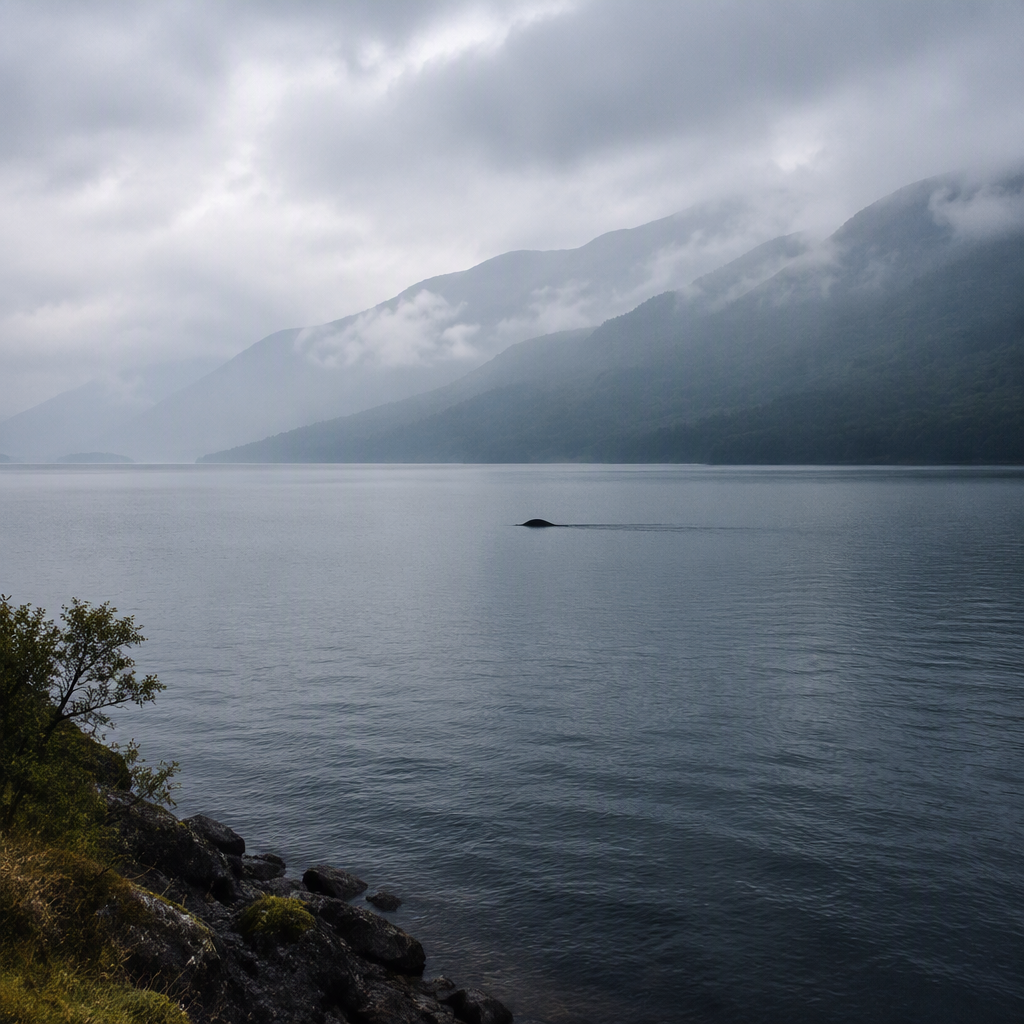
For nearly a century, the legend of the Loch Ness Monster has held an unprecedented grip on the global imagination. Nestled in the Scottish Highlands, Loch Ness is the largest body of freshwater by volume in the British Isles, containing more water than all the lakes in England and Wales combined. Its dark, peat-stained waters plunge to depths exceeding 750 feet, creating an environment as forbidding as it is enigmatic.
Despite repeated scientific expeditions, advanced sonar sweeps, and environmental DNA surveys, the question of whether an unknown creature inhabits the loch remains unresolved in popular culture. Today, the enduring mystery persists at the intersection of modern technology, folklore, and scientific inquiry.
Also read: The Rise of AI Election Ads in US Midterms Campaigns Reshapes Modern Politics
Origins of a Global Legend
Accounts of unusual aquatic creatures in northern Scotland date back to antiquity. The earliest recorded encounter appears in the seventh-century biography of Saint Columba, who reportedly commanded a “water beast” in the River Ness to retreat after it attacked a local swimmer in 565 AD.
The modern era of the monster phenomenon began in April 1933. Aldie Mackay, manager of the Drumnadrochit Hotel, reported seeing a whale-like beast churning the surface of Loch Ness. The local Inverness Courier published the account, using the word “monster” for the first time in contemporary reporting.
Public interest intensified the following year with the publication of the famous “Surgeon’s Photograph” in 1934, purporting to show a slender neck and head rising above the surface. Decades later, researchers revealed the image as an elaborate hoax involving a toy submarine fitted with a sculpted plastic head. Yet, debunking the photograph did little to dampen worldwide curiosity.
Scientific Investigations into the Loch Ness Monster
Over the decades, reputable scientists and research institutions have mounted multiple efforts to catalog the biodiversity of the loch and investigate anomalous reports.
In 1987, Operation Deepscan utilized a fleet of 24 acoustic survey boats equipped with low-frequency sonar to sweep the entire length of the loch. While researchers identified three strong, moving acoustic targets at depths greater than 500 feet, they could not conclusively confirm whether the signals represented large fish, debris, or thermal layering effects.
A major scientific breakthrough occurred in 2018 when an international team led by Professor Neil Gemmell of the University of Otago conducted comprehensive environmental DNA (eDNA) sampling across the waterway. By analyzing genetic material left behind in water samples—including skin cells, scales, and feces—the team established a biological baseline of species present in Loch Ness.
The study’s findings, released in 2019, categorically ruled out several prominent monster theories:
- No reptilian or dinosaur DNA was detected, effectively refuting the popular theory that a surviving prehistoric plesiosaur lives in the basin.
- No traces of giant catfish, sturgeon, or Greenland sharks were found.
- The research did identify an extraordinary abundance of European eel DNA across virtually every sampling site.
While Gemmell noted that eDNA cannot definitively determine size, researchers acknowledged that unusually large eels could theoretically account for some surface sightings.
Advanced Surveillance and Modern Searches
Technological advancement has transformed the nature of searches in the Highlands. In August 2023, the Loch Ness Centre partnered with independent research group Loch Ness Exploration to launch the largest organized surface watch in over 50 years.
Hundreds of volunteers from around the world joined specialists utilizing thermal-imaging drones, hydrophones for hydro-acoustic monitoring, and high-definition surface cameras. Although participants logged several unidentified acoustic anomalies and temporary surface disturbances, researchers stressed that environmental factors—such as wind shear, internal waves, boat wakes, and floating debris—frequently mimic living shapes on the water.
The Cultural and Economic Phenomenon
Beyond biology, the legend of Nessie functions as a vital economic engine for the Scottish Highlands. VisitScotland estimates that tourism linked to Loch Ness generates tens of millions of pounds annually, supporting hospitality, boating tours, and cultural exhibitions.
Sociologists and folklorists note that the creature represents a rare modern archetype: a persistent natural mystery surviving in an era of satellite tracking and pervasive digital documentation. The belief in what might lurk beneath the surface reflects a widespread desire to preserve wildness and wonder in the natural world.
What Happens Next in the Search?
Research efforts at Loch Ness continue to evolve. Naturalists and marine technicians are deploying permanent automated acoustic sensors and real-time live-stream cameras across key vantage points. Ongoing biodiversity initiatives aim to monitor the loch’s fragile ecosystem against the backdrop of climate change and shifting water temperatures.
Whether future technology uncovers a biological explanation or further underscores the power of human imagination, the Loch Ness Monster remains one of the world’s most enduring mysteries—captivating scientists, historians, and travelers alike.