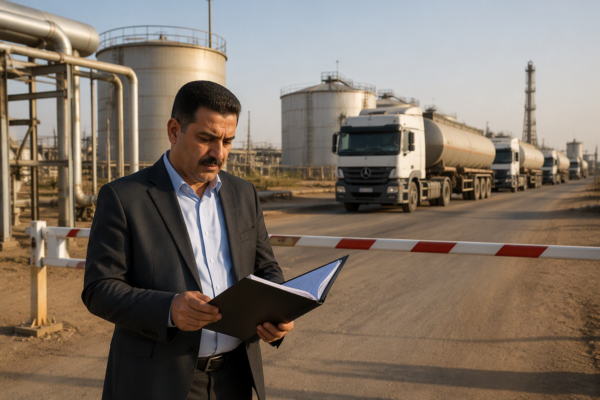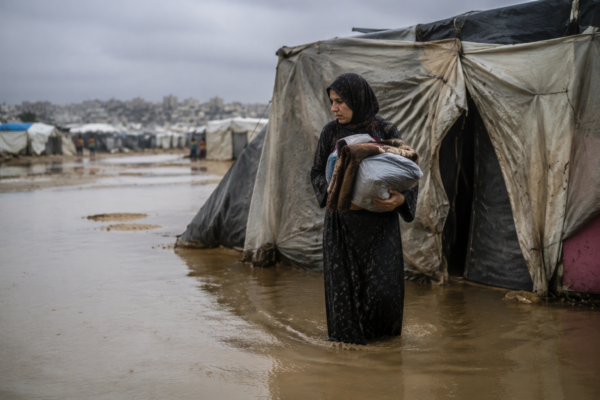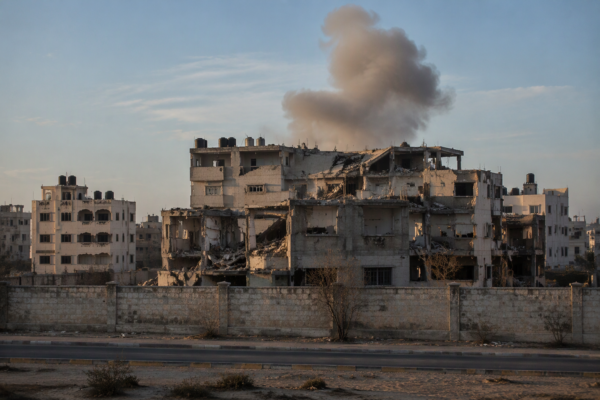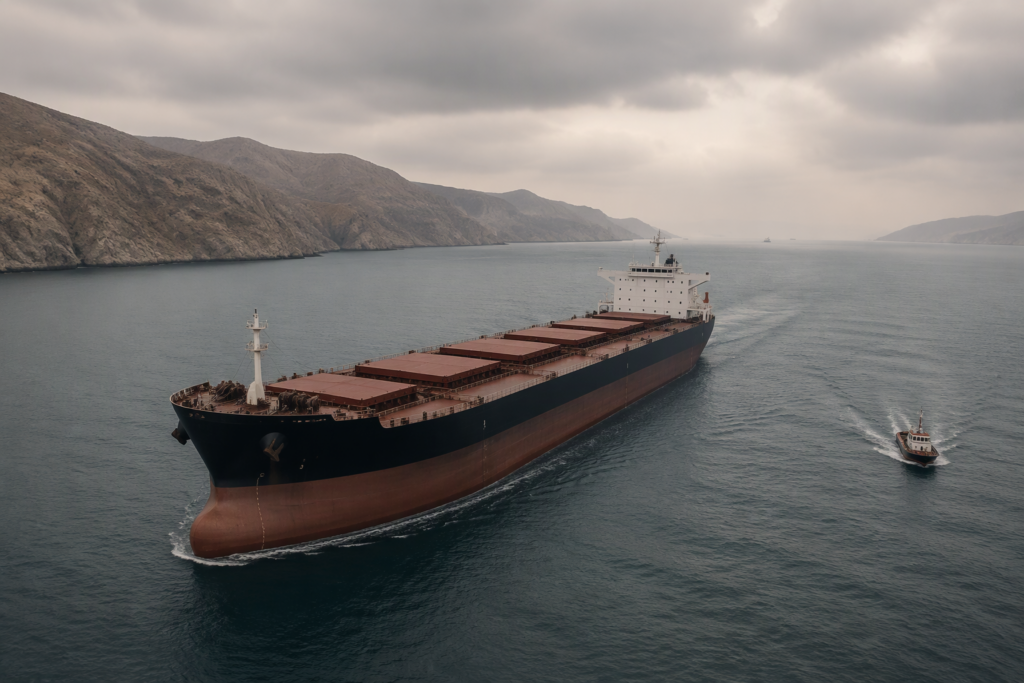

At least 25 civilian crew members have died while caught in the crossfire across the Strait of Hormuz since the outbreak of the US-Israeli war on Iran in February. The death toll marks a sharp escalation in commercial shipping hazards along the vital Persian Gulf chokepoint.
The United Nations shared the casualty figures during a tense Security Council briefing, detailing how merchant vessels have repeatedly taken fire. The conflict has turned one of the world’s most critical crude transit lanes into a lethal trap for ordinary maritime workers.
Also read: Danish Viking Ships: How Five 900-Year-Old Wrecks Were Unearthed
For global trade, the crisis extends far beyond the maritime industry. Shipping traffic through the narrow waterway has plunged to roughly 65 percent below pre-war volumes, threatening worldwide supply chains, food production, and energy stability.
Rising attacks inside the Strait of Hormuz
Khaled Khiari, the UN assistant secretary-general for the Middle East, Asia, and the Pacific, presented the mounting casualties to the UN Security Council on Friday. The figures track confirmed fatalities from the start of hostilities in February through November 11.
The International Maritime Organization has logged 136 separate security incidents involving commercial vessels in the corridor and across the broader Middle East over that stretch. October proved the deadliest and most turbulent month yet, accounting for 35 separate incidents before another 10 were recorded in early November.
Khiari warned diplomats that the daily bombardment of maritime routes cannot be accepted as standard operating conditions.
“This situation cannot be allowed to become the new normal,” said Khiari, urging the “full restoration of maritime navigation in the region”.
He insisted that civilian crews must not bear the brunt of military actions between sovereign nations. “Every day brings new reports of maritime incidents,” Khiari told the council. “These incidents are unacceptable. Civilian vessels and commercial shipping must not become targets.”
Mine strikes ignite tankers off the Iranian coast
Danger in the narrow corridor surged again over the weekend as three oil tankers caught fire after striking naval mines. Iranian officials announced on Saturday that the ships entered restricted zones without prior clearance.
Tehran maintains that any vessel entering the waterway must receive direct permission from Iranian authorities before transiting. Vessels accused of ignoring those orders have faced immediate armed interdiction or mine strikes.
Iranian naval forces issued a direct threat over state-run IRIB television, making clear that unapproved commercial traffic faces destruction. The military statement warned that any tanker caught moving through restricted waters east of the strait will catch fire from placed sea mines.
The mine blasts contradict assurances from the Pentagon. The US military maintains that its forces cleared main navigation lanes of explosive hazards and declared the route safe for commercial transit, leaving merchant ships stuck between opposing military commands.
Tehran sets stiff conditions to reopen the passage
The maritime gridlock stems directly from an uncompromising set of diplomatic and military demands from Tehran. Iranian leadership announced the corridor will remain closed to normal operations until Washington complies with several sweeping terms.
Iran’s stated requirements to restore passage include:
- An immediate end to the US naval blockade targeting Iranian commercial ports.
- The full removal of foreign economic sanctions against the country.
- The release of all Iranian financial assets currently frozen abroad.
- A total cessation of military strikes across all active regional fronts.
- A public, formal declaration from the United States stating the war is over.
With neither side moving toward an agreement, the maritime passage remains severely choked. Commercial shipowners face impossible choices between running military blockades or idling multi-million-dollar vessels at sea.
Economic shockwaves hit food and energy markets
The collapse of traffic through the chokepoint has sent severe reverberations through the world economy. Tracking data compiled by the United Kingdom Maritime Trade Operations, known as UKMTO, confirms that shipping volume remains 65 percent below normal baseline levels.
Khiari warned the Security Council that the paralysis of these waterways directly inflates everyday costs for families and businesses worldwide. Transport delays and skyrocketing hull insurance premiums have driven up global inflation figures across major trading markets.
The disruption has also created a quiet catastrophe for agriculture by holding back essential fertiliser shipments from regional producers. UN officials warned that prolonged bottlenecks in chemical and fuel exports will quickly cascade into international crop failures and higher grocery prices.
All eyes now turn to the UN Security Council as members debate whether to draft an enforceable maritime protection resolution before the next scheduled diplomatic session.
Source: Al Jazeera